
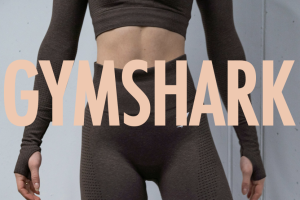
When Ben Francis launched Gymshark in June 2012, his dropshipping website initially sold nutrition products, while Francis balanced university studies with pizza delivery shifts.
The supplements business quickly revealed its limitations. Margins were thin, competition was intense and the category offered little opportunity to build a distinctive brand.
At the same time, Francis and his co-founder Lewis Morgan noticed a gap in the market for modern gym clothing. Much of the apparel available at the time was either oversized bodybuilding gear or generic sportswear that didn’t reflect the tastes of the new generation of fitness enthusiasts emerging online.
The founders pivoted rapidly into apparel. With around £1,000 in savings, Francis bought a sewing machine and screen printer and began producing small batches of muscle-fit vests and hoodies from his parents’ garage in Bromsgrove. Clothing offered stronger margins and far greater potential to build a recognisable brand.
The name Gymshark itself reflected the founders’ ambition. In gym culture, a “gym shark” describes someone relentless in training — someone who dominates the gym floor.
From the beginning, Francis understood that Gymshark’s growth would depend as much on marketing channels as on product. Rather than investing in traditional advertising, he focused on the platforms where the new online fitness culture was already forming.
Early YouTube creators and Instagram fitness personalities became the brand’s first ambassadors, helping Gymshark build credibility inside the community it wanted to serve.
This approach was unconventional at the time. Established sportswear brands were still focused on celebrity endorsements and large advertising campaigns.
Gymshark instead partnered with emerging creators such as ripped sports model Nikki Blackketter and pumped influencer, Lex Griffin, sending them products and building long-term relationships rather than one-off sponsorships.
The strategy meant Gymshark’s growth was driven less by paid media and more by community identity and social proof.
At the same time, Gymshark built its commercial model around direct-to-consumer ecommerce. Around 96% of the company’s revenue still comes from its own websites and apps, giving the brand full control over pricing, customer data and storytelling.
The brand’s marketing has not been without criticism. Some observers argued that early campaigns — particularly imagery focused on hyper-sculpted physiques and body-contoured ‘scrunch bum’ leggings — leaned heavily into the sexualisation of fitness culture.
As the company matured, Gymshark broadened its representation across campaigns and social media.
More recently, the brand has moved toward more inclusive product design. In 2024 Gymshark launched a sports hijab, developed with Muslim fitness creators including Leana Deeb as part of a wider push into modest activewear.
Gymshark now has 10 million customers in over 130 countries. Following investment from General Atlantic in 2020, the company was valued at around $1.45 billion, with estimates placing its value somewhere between $1.5 and $2 billion today.
What separates Gymshark from many athleisure competitors is not simply growth but how that growth was engineered. Francis built the brand where attention already lived — inside digital fitness communities — turning creators, content and customer relationships into the company’s most powerful marketing engine.
Supermarket says.
Average product. Brilliant marketing.
It is astonishing that 96% of Gymshark’s £600 million 2025 sales are online, and direct to Gymshark’s e-commerce site.
From scrunch bum to hijab, Ben Francis has a shameless eye for a trend. But his real genius is the e commerce operation, and the innovative marketing that drives it.
As of February 2026 Ben, aged 33, is listed as being worth $1.4billion. No sweat.
It is astonishing that 96% of Gymshark’s £600 million 2025 sales are online, and direct to Gymshark’s e-commerce site.
Get in touch

